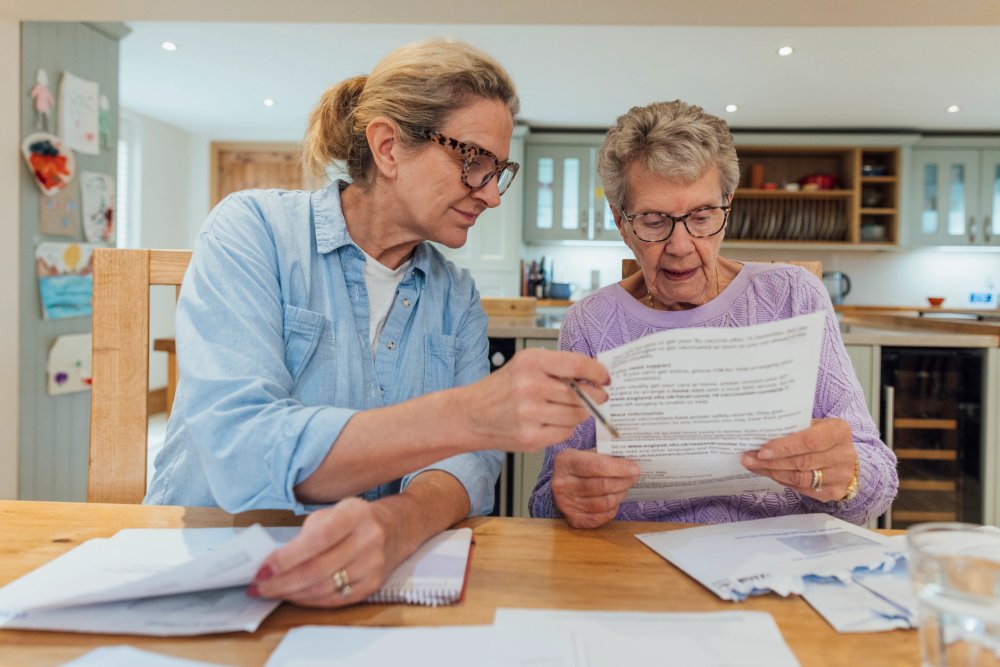
Navigating the Hurdles: Insights Into Dementia Caregiving
Caring for someone with dementia brings a unique blend of emotional, physical, and logistical challenges that can sometimes feel overwhelming. Many caregivers encounter stress from managing unpredictable behaviors, cognitive decline, and the constant pressure of day-to-day decision-making. This introduction provides a compassionate overview of these challenges and reinforces the critical importance of building a support network.
In this guide, you will learn how to:
- Recognize common stressors that arise from long-term caregiving responsibilities.
- Identify actionable strategies to reduce anxiety and prevent burnout.
- Explore practical tips for organizing daily care, maintaining personal health, and fostering social connections.
Caregivers often face a reality where every day presents a new set of obstacles—whether it is managing medication schedules, addressing safety concerns, or even navigating the emotional toll of watching a loved one change. By embracing local resources in communities like Manassas, Virginia, and beyond, caregivers can find the guidance and empathy essential for sustaining this demanding role. Let’s explore effective methods to empower caregivers in their journey towards a balanced and supported life.
5 Essential Resources for Dementia Caregiver Support
- Engaging Educational Workshops Focused training sessions empower caregivers by offering practical strategies in dementia management. These workshops break down complex medical and support information into accessible insights, allowing caregivers to develop skills that enhance patient care while managing daily stress.
- Personalized Guidance Programs Individualized counseling and coaching provide one-on-one support. These programs help caregivers navigate complex emotional dynamics and offer tailored advice to meet specific caregiving challenges, improving both caregiver well-being and patient outcomes.
- Interactive Support Networks Building connections with fellow caregivers is crucial. Community support groups, both in-person and virtual, offer safe spaces to share experiences, exchange tips, and foster a sense of belonging, easing the isolation often felt in caregiving roles.
- Resource Hubs for Practical Information Centralized platforms compiling caregiving tools, reference guides, and actionable checklists help in organizing daily routines effectively. This centralized approach ensures consistency in care and quick access to vital information when needed.
- Local Community Outreach Initiatives In regions like Virginia and surrounding areas, community outreach programs bring essential services directly to caregivers. These initiatives focus on providing localized support, ensuring that practical help and resources are within reach.
Rediscover Your Balance: A Step-by-Step Guide to Managing Caregiver Stress
Managing caregiver stress begins with a focused plan for self-care. Start by acknowledging your feelings and making space for recovery. Follow these steps to maintain your well-being:
- Evaluate Your Stress: Reflect on moments of overwhelm and record your feelings in a journal. This helps you identify stress triggers.
- Establish a Daily Routine: Design a structured schedule that incorporates breaks. Include time for activities like walking outdoors or listening to calming music to recharge your energy.
- Practice Relaxation Techniques: Use deep breathing, meditation, or gentle stretching to reduce tension. Experiment with yoga or mindfulness practices until you find what best alleviates stress.
- Set Clear Boundaries: Allocate time solely for yourself. Protect this personal space by letting family members know when you need quiet time.
- Engage Locally: Explore community support groups or local wellness centers in your area, such as in Virginia, to connect with others who understand your experience.
By following these actionable steps, you can create a balanced approach that not only diminishes stress but also enriches your personal resilience and overall quality of life.
Empowering Caregiver Services: A Comprehensive Overview
Navigating the challenges of dementia caregiving can be an overwhelming journey. Many organizations provide a spectrum of services designed to ease this burden while offering practical solutions and emotional support. These services include workshops, training sessions, and community meet-ups that focus on enhancing caregivers’ skills and well-being. By participating in these initiatives, caregivers can gain:
- Practical guidance: Detailed training on managing daily tasks, understanding dementia progression, and handling behavioral changes.
- Educational resources: Access to informative seminars and interactive classes that cover topics from safety measures to stress management.
- Community connection: Opportunities to join local support groups in areas like Manassas, Virginia, where shared experiences foster mutual encouragement and learning.
- Actionable tips: Step-by-step strategies for implementing care routines and adapting living environments to be dementia-friendly.
These comprehensive offerings not only empower caregivers with industry-relevant knowledge but also reinforce the value of community and compassionate engagement. Embracing these support systems can lead to significant improvements in the quality of care for loved ones and enhance the overall caregiver experience.
Frequently Asked Questions on Dementia Caregiver Support
Q1: What are the common challenges faced by dementia caregivers? Caregivers often juggle multiple responsibilities, including managing behavioral changes, providing daily assistance, and handling emotional stress. They may experience physical fatigue, isolation, and confusion about where to seek help.
Q2: How can caregivers build a strong support network? Building a network involves:
- Joining local support groups
- Participating in community workshops
- Engaging in online forums with peers facing similar challenges These actions help create a sense of community and shared understanding.
Q3: What types of educational resources are beneficial for caregivers? Practical guides, step-by-step training sessions, and hands-on workshops can offer actionable tips and strategies. Local resources in regions like Virginia provide contextual insights, addressing both the personal and logistical aspects of caregiving.
Q4: How do support sessions help with stress management? Regular participation in support sessions promotes emotional resilience by offering a safe space to share experiences and learn coping techniques.
Q5: What are practical steps to find local caregiver support? Start by consulting community centers, local healthcare providers, and nonprofit organizations. This proactive approach often leads to a wealth of resources tailored to the unique challenges of dementia care.
Wrapping Up and Moving Forward
As we conclude this guide, remember that caregiver support is not just a resource—it’s a lifeline that empowers you through every challenging moment. Reflecting on the strategies shared, it’s clear that comprehensive training, community engagement, and accessible educational resources are critical pillars in sustaining dignity and resilience in your caregiving journey.
Key takeaways include:
- Embracing practical self-care techniques to ensure your well-being.
- Leveraging local support networks in regions like Manassas, Virginia, where community initiatives can offer personalized assistance.
- Continuously educating yourself with actionable tips that address common caregiving challenges.
By adopting these methods, you can foster a nurturing environment that benefits both you and your loved ones. Consider integrating organized workshops, peer discussion groups, and professional training sessions into your routine. Your commitment fuels progress, and every small step contributes to an empowered caregiving future. Stay motivated, and take advantage of the support available—your journey is important, and you are never alone in this process.